It takes a skilled writer to juggle multiple people in several storylines, keeping their voices and actions distinct. Liane Moriarty has that skill. Her book, Here One Moment, starts on a plane with several passengers flying from Hobart to Sydney. There is a just-married young bride and groom, two retired married doctors, a mother with two children, a workaholic family man, the attractive flight attendant, and others. Midflight, an elderly woman gets up and walks down the aisle, telling everyone the age they will be when they die and the cause of their death. Everyone counts it as dementia, until a young woman whose death had been predicted as a motor accident at her current age dies in a motor accident. Then the two retired doctors die as predicted. Moriarty explores how knowing when you're going to die can goad you to take chances or veer into paranoia. I liked it, and it's been the book I've talked about most with others this week.
😵⟦⟧🛩️

I have read other LitRPG books by Ryan Rimmel, and that's how Deepwater Dungeon by Ryan Rimmel and Boe Hagen got pushed in front of me. The premise is slightly different than usual. It's not a human trapped in a dungeon fighting to level up; it's a ghost crab that accidentally gains sapience and needs to fight and level up to survive. I think Ryan Rimmel has matured as a writer. There are fewer fart jokes; maybe his writing partner has a more sophisticated approach. There is an aspect where the little crab is fighting the Corruption that is devastating the Dungeon, killing the sea creatures, and turning them into undead automatons. SPOILER ALERT: Sir Crabby is tempted to be anything he wants if he would harbor the Corruption from total destruction: power, riches, any she crab he wants, but instead he chooses to sacrifice himself. My thought: is that a Christ-figure metaphor? It felt like one. It was the most interesting part of the book for me.
Other Ryan Rimmel books I've reviewed: https://barbpruittwrites.blogspot.com/search?q=Rimmel
🦀⭐️🐡
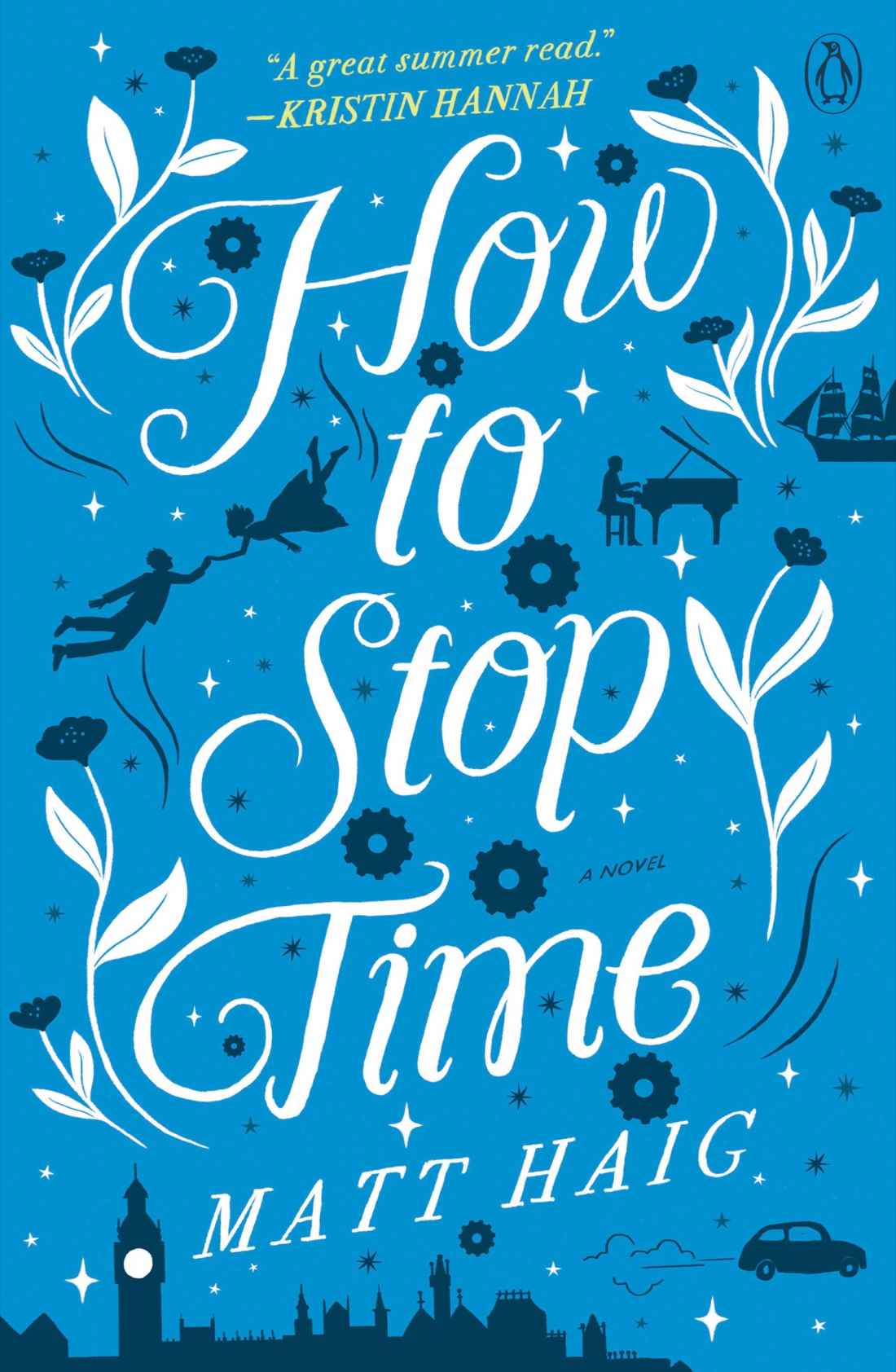
I have read several Matt Haig books. I appreciate that his plots are remote from reality, but his characters feel authentic. How to Stop Time is not my favorite Matt Haig book; that title is The Midnight Library. In this book, we meet several old people, or more accurately, people who age much slower than average. Tim is 400+ years old, around what will be his middle age. He teaches history as if he saw it happen, because he did. The problem with living so long is that everyone around you wife, children, friends, enemies- all age and die, while you stay the same. This is painful for everyone. If you lived in England 300 years ago, you might be considered a witch and face being burned at the stake. Tim problem is how to stay safe and undetected. His path is to love no one and nothing, move every eight years, with a new identity, and start over. That life, a loner life, isn't working for Tim. He wants something different, but a society of those who live long lives monitors its members and eliminates anyone who threatens their anonymity. I found the plot started slow, but eventually I was engaged; however, it took a while.
Other Matt Haig books I've reviewed: https://barbpruittwrites.blogspot.com/search?q=Matt+Haig
⏳🕰️⌚️

Half a Soul, Regency Faerie Tales #1 by Olivia Atwater was sensational. It has mystery, romance, magic, and cruel aunts. A young Theodora Ettings, Dora, has half her soul stolen by a Faerie Lord. She goes through her life in Regency England without the strong emotions other people possess. She isn't shocked or dismayed by anything. She's never elated or giddy. She doesn't feel hate, but also lacks joy. Her biggest problems, due to her lack of half her soul, are that she is odd and that she lacks a filter in what she says. Her aunt raises orphan Dora alongside her own daughter, Vanessa Ettings, who dislikes Dora for her tendency to raise eyebrows and damage Vanessa's marriage prospects. Because marriage is everything in the Regency Era. If only a grumpy young court magician would help Dora reunite the halves of her soul!
💔🪄💟

I wanted to read an encouraging book, so I chose When the Darkness Will Not Lift by John Piper. I found his words useful. He speaks to those who are struggling and those who are trying to encourage those who struggle. John Piper was a pastor for over thirty years and has encountered many who wrestle with sadness and depression. I would say his advice is prosaic: look to Jesus, keep praying, seek out relationships, don't give up. That makes sense to me; however, to someone who has persistent depression, it could sound like he's saying, Try harder, do better. I think he would counsel therapy and medication, if warranted. I found his words helpful and encouraging.
🌑🙏🏻🌕